
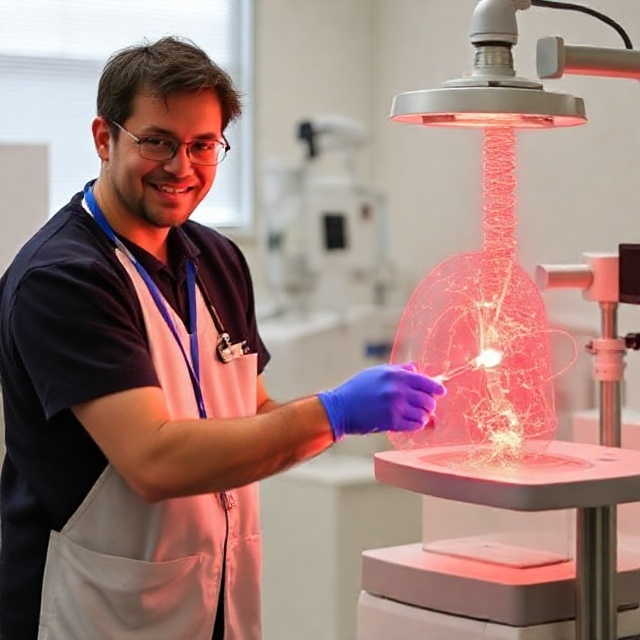
How SOT is Revolutionizing Cancer Therapy
Cancer care has changed dramatically over the past decade. While traditional treatments like chemotherapy, surgery, and radiation remain important, new therapies are emerging that focus on precision, gentleness, and targeted support. One of the most promising approaches is Supportive Oligonucleotide Therapy (SOT)—a personalized, non-toxic cancer support option that is transforming how patients think about care.
What Is SOT?
Supportive Oligonucleotide Therapy, or SOT, is a highly individualized treatment that uses short strands of synthetic DNA or RNA (called oligonucleotides). These molecules are designed to target specific genetic expressions related to cancer cells.
Think of SOT like a lock-and-key system: the therapy is tailored to “fit” the genetic code of the abnormal cells, helping to interrupt their ability to survive and multiply. Unlike conventional treatments that affect healthy and unhealthy cells alike, SOT is designed to work with far greater precision.
How SOT Differs from Traditional Methods
Most conventional treatments act broadly, which can make them effective but also taxing on the body. SOT stands apart in several ways:
- Personalized approach: Each therapy is custom-created using a sample of the patient’s blood and genetic profile.
- Non-toxic nature: Unlike chemotherapy or radiation, SOT does not damage surrounding healthy tissue.
- Targeted mechanism: By focusing on the unique genetic “signature” of cancer cells, SOT aims to reduce the activity that drives disease.
This doesn’t mean SOT replaces traditional therapies—but for many patients, it offers an additional layer of support that feels gentler and more aligned with the body’s natural resilience.
Who Is SOT For?
SOT may be considered by patients who:
- Want a non-toxic cancer support option
- Are looking for therapies that complement conventional treatment
- Value a precision-based approach tailored to their own biology
Because every case is unique, SOT is never one-size-fits-all. Patients work with trained practitioners who evaluate whether the therapy is appropriate based on diagnosis, stage of disease, and overall health status.
How SOT Works in Practice
The process begins with a blood draw. From this sample, specialized labs analyze circulating tumor DNA to identify genetic markers. Once identified, scientists design a custom oligonucleotide sequence that specifically matches those markers.
When administered, this sequence binds to the target genetic code—like inserting the correct puzzle piece. The goal is to interrupt cancer cells’ ability to grow and replicate, all while leaving healthy cells untouched.
A Patient-Friendly Analogy
Imagine weeds growing in a garden. Traditional methods are like spraying the entire yard with herbicide: it kills weeds, but also harms the flowers. SOT is more like a gardener who pinpoints the exact weed species and removes only those plants—leaving the rest of the garden intact.
What to Expect with SOT
Every patient’s journey looks a little different, but most can expect:
- Initial consultation to determine eligibility
- Personalized therapy design based on blood analysis
- Infusion or injection administration under professional supervision
- Ongoing monitoring to track progress and response
Because it is designed for precision, SOT requires close partnership between patient and practitioner to ensure it fits safely into the broader care plan.
When to See a Practitioner
If you are exploring supportive cancer care options, it’s important to consult with an integrative practitioner before starting SOT. While SOT is non-toxic, it should always be guided by professionals who understand both its potential and its limitations.
FAQs
Does SOT replace chemotherapy or radiation?
No. SOT is not a replacement for conventional cancer therapies. It is considered an integrative approach that may complement other treatments.
Is SOT safe?
SOT is generally well tolerated because it is highly targeted. However, each patient’s case is unique, and professional oversight is essential.
How soon will I notice results?
Responses vary. Some patients may notice improved well-being or lab results sooner than others. The key is ongoing monitoring and collaboration with your care team.
Taking the Next Step
Innovative therapies like SOT are helping to redefine what cancer care can look like—personalized, non-toxic, and precise. If you’re curious about whether SOT might be right for you, the best place to begin is with a conversation.
➡️ Schedule your free SOT consultation today.